

Appelez-nous : (+33)650051755

Introduction to Casino Games
Casino games have captivated players for centuries, offering thrilling entertainment and opportunities for both skill and chance. They encompass a wide array of games, each with its unique rules, strategies, and nuances. Understanding these games is essential for anyone looking to navigate the vibrant world of gambling, whether in a physical casino or an online platform like nz online casino , where players can enjoy a plethora of options from the comfort of their homes. From popular card games like poker and blackjack to classic table games such as roulette and craps, the variety available can be overwhelming for newcomers.
Each game type presents its own set of challenges, which can be both daunting and exhilarating. This guide aims to demystify these games, providing insights into how they work and tips on how to play them effectively. Whether you are a casual player or an aspiring high-roller, knowing the basics can enhance your experience and improve your chances of success. Furthermore, this knowledge can help you make informed choices about which games to play based on your interests and risk tolerance.
Understanding the foundation of casino games also involves familiarizing oneself with the terminology associated with them. Terms like « house edge, » « payout, » and « bankroll » are commonly used throughout the gaming industry. By grasping these concepts, players can enhance their strategic approach and make more educated decisions while enjoying their favorite games. In the following sections, we will explore different categories of casino games, essential strategies, and the psychology behind gambling.
Types of Casino Games
The world of casino games can be broadly categorized into three main types: table games, card games, and slot machines. Table games, such as blackjack, roulette, and craps, are played on specific tables marked with layouts that dictate the rules and betting options. These games often require a combination of skill and luck, making them appealing to a wide range of players. For example, blackjack involves strategy in deciding when to hit or stand based on the dealer’s hand, while roulette relies heavily on chance as players place bets on where a ball will land on a spinning wheel.
Card games represent another significant category, with poker being the most popular among them. Unlike other games, poker is not merely about luck; it involves reading opponents and employing strategies to win. Variations of poker, such as Texas Hold’em and Omaha, bring distinct rules and gameplay, making it crucial for players to understand the differences. Additionally, card games often involve betting rounds and the use of skill to outmaneuver opponents, adding depth to the gaming experience.
Lastly, slot machines, often referred to as « one-armed bandits, » have evolved significantly over the years. Today, they feature engaging graphics, sound effects, and various themes that attract players of all demographics. With their simple mechanics, players merely need to spin the reels and hope for a favorable combination. However, understanding how these machines work, including odds and payout percentages, can lead to more informed decisions when playing. Each type of casino game offers unique experiences, catering to diverse preferences and skill levels.
Strategies for Winning at Casino Games
While luck plays a significant role in casino games, employing effective strategies can significantly enhance your chances of winning. For instance, in blackjack, players can employ basic strategy charts that advise when to hit, stand, double down, or split. This strategic approach reduces the house edge and increases the likelihood of winning over time. Similarly, understanding the odds and probabilities associated with each game can lead to more strategic betting, allowing players to make informed decisions based on potential outcomes.
In poker, mastering the art of bluffing and reading your opponents is crucial. Players who can identify patterns in their opponents’ betting habits may gain a strategic advantage. Additionally, managing your bankroll effectively is a fundamental strategy that every successful player should adopt. Setting limits on how much you are willing to wager and sticking to that amount can help you play longer and reduce the risk of losing large sums of money in a single session.
Furthermore, each game has its own unique strategies that can be employed for success. For example, in roulette, some players prefer to place bets on specific sections of the wheel or follow betting systems to maximize their winnings. While these methods can be entertaining, it is essential to remember that no strategy guarantees a win. The key is to combine knowledge and skill with a sense of fun and enjoyment, ensuring that gambling remains a form of entertainment rather than an avenue for financial stress.
The Psychology of Gambling
The psychology behind gambling is a fascinating and complex subject that influences how players interact with casino games. Many gamblers are drawn to the thrill of the risk and the potential for significant rewards. This excitement can lead to what is often referred to as the « gambler’s fallacy, » where players believe that past outcomes affect future events. For instance, someone may think that a certain number is « due » to hit in roulette based on previous spins, which is a misconception stemming from a misunderstanding of probability.

Additionally, the environment of a casino, filled with bright lights and enticing sounds, is designed to create an exhilarating atmosphere that keeps players engaged. Factors such as social interaction, competition, and the allure of big wins can evoke strong emotions, influencing players’ decision-making processes. Understanding these psychological triggers can help players maintain a more balanced approach and recognize when they might be playing for reasons beyond simply having fun.
Moreover, recognizing the signs of problematic gambling behavior is essential for responsible gaming. Setting limits on time and money spent, taking breaks, and self-assessing one’s motivations can help prevent gambling from becoming a negative influence. By understanding the psychological aspects of gambling, players can make more conscious choices, ensuring that their gaming experiences remain enjoyable and within healthy boundaries.
Exploring Online Casino Games
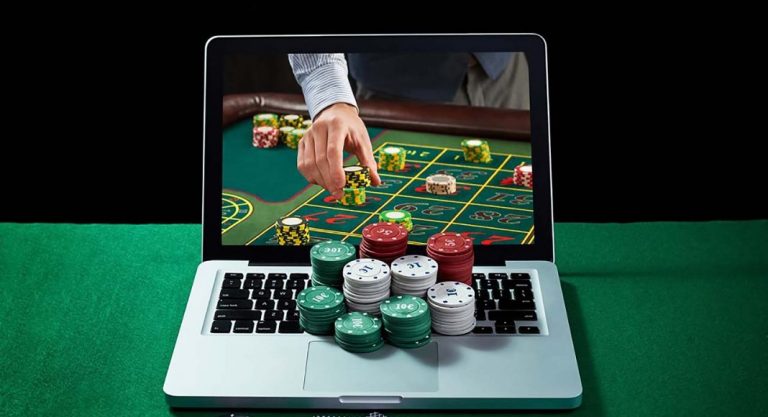
With the rise of technology, online casinos have revolutionized the way players enjoy their favorite games. Internet-based platforms offer the convenience of playing from the comfort of home, and they often feature a broader selection of games compared to traditional casinos. Players can choose from various styles of slots, table games, and live dealer experiences, all at the click of a button. This accessibility allows individuals to explore a diverse range of gaming options, catering to different preferences and skill levels.
Online casinos also frequently provide attractive bonuses and promotions to entice new players and retain existing ones. These offers may include welcome bonuses, free spins, and loyalty programs, enhancing the overall gaming experience. However, it’s crucial for players to read the terms and conditions associated with these promotions, as they often come with specific wagering requirements. Understanding these details can help players maximize their rewards while avoiding potential pitfalls.
Furthermore, online gaming platforms invest heavily in enhancing user experiences through robust graphics, soundscapes, and mobile compatibility. The ability to play on smartphones and tablets has made it easier than ever for players to engage with games anytime, anywhere. Nonetheless, maintaining safety and security while playing online is paramount; players should look for licensed operators that employ secure payment methods and responsible gaming practices. By exploring the world of online casino games, players can enjoy a dynamic and engaging experience that continues to evolve with technology.